
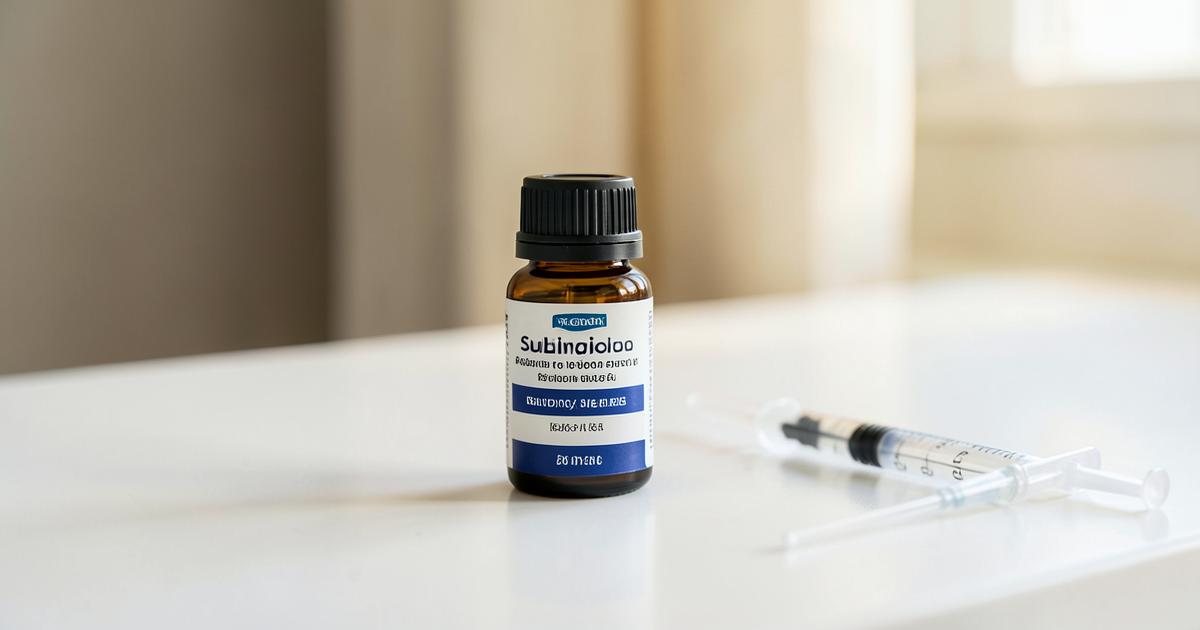
Allergy shots require weekly clinic visits for needle injections followed by a 30 minute observation period to monitor for anaphylaxis. Allergy drops dissolve under the tongue at home each day and do not require supervised monitoring afterward.
Shots carry decades of clinical evidence for long term remission of severe pollen, dust mite, and pet dander allergies. Drops show weaker evidence for permanent remission but still provide strong symptom control with fewer disruptions to daily life.
For patients with stable schedules and reliable insurance coverage, shots often provide the stronger long term option. For someone with needle aversion, frequent travel, or limited time for clinic visits, drops usually win on practicality alone. Let’s look at which is the better treatment between allergy drops vs allergy shots.
How Allergy Shots Actually Work
A shot session introduces a precise dose of allergen extract into the body’s skin layer. This exposure forces the immune system to build a gradual tolerance over months to years.
The buildup phase
The first phase requires one to three injections per week for roughly six to eight months. Each new shot contains a slightly higher allergen concentration than the previous one.
A nurse administers every injection in the upper arm. The patient then waits in the clinic for 30 minutes to catch any rare severe reaction.
The maintenance phase
After the buildup ends, the patient enters the maintenance phase with shots every two to four weeks. This phase lasts three to five years to lock in the immune tolerance.
Shot intervals can stretch to once per month for the final year of treatment. The total course length depends on the specific allergen and how well the patient responds.
What happens inside the body
The allergen extract triggers a controlled release of regulatory T cells. These cells suppress the usual allergic cascade that causes sneezing, itching, and swelling.
Mast cells and basophils become less reactive to future allergen encounters. The immune system effectively learns to ignore the same pollen or dander that once caused symptoms.
How Allergy Drops Actually Work
A drop preparation contains the same allergen extracts found in shots but in a liquid form for oral absorption. The patient places the liquid under the tongue and holds it there for one to two minutes before swallowing.
The daily dosing routine
The patient takes one dose each morning or evening at home without a medical professional present. Each bottle of extract lasts approximately two to three months with proper refrigeration.
Missed doses reduce the treatment’s effectiveness because the immune system needs consistent exposure. A simple daily alarm or calendar reminder helps maintain the routine.
No clinic waiting period
The risk of a severe systemic reaction from drops is close to zero in published studies. Patients do not need an observation window after taking the dose at home.
Mild side effects like oral itch or transient throat irritation occur in a small percentage of users. These sensations usually fade within the first two weeks of treatment.
How sublingual absorption works
The thin skin under the tongue contains specialized immune cells called oral mucosal dendritic cells. These cells capture the allergen and present it to regulatory T cells without passing through the stomach.
Stomach acid would break down the allergen proteins if a person swallowed the drops immediately. Holding the liquid under the tongue bypasses digestion and delivers intact allergens to the immune system.
The Biggest Difference You Will Notice
A shot patient commits to a fixed weekly appointment time at a medical facility. A drop patient integrates treatment into a morning or evening home routine without travel.
Needles versus no needles
Each shot injection causes a brief sharp pinch followed by a small welt at the site. Needle anxiety alone stops many potential patients from ever starting shot therapy.
Drop treatment requires no skin penetration and no blood draw at any point. The liquid sits under the tongue with a mild taste that most people tolerate without issue.
Frequency of the treatment
Shots demand a clinic visit every week during the buildup phase and every two to four weeks afterward. A single missed appointment can set the treatment schedule back by weeks.
Drops require daily administration without exception for the entire treatment course. A patient who forgets a single day simply takes the next dose as scheduled.
Travel and schedule freedom
A shot patient cannot travel for more than four weeks without coordinating with another clinic or pausing treatment. Pausing longer than one month often forces a restart from lower doses.
A drop patient packs the bottle and a small measuring syringe into any carry on bag. Refrigeration during travel requires a small insulated pouch with a gel pack.
The waiting period after each dose
A shot patient must sit in the clinic waiting room for 30 minutes after every injection. Clinic staff check for signs of throat tightness, hives, or a drop in blood pressure during this window.
A drop patient swallows the dose and immediately goes about the normal day. No timer, no vital sign checks, and no drive back home later.
Safety and Side Effects
Shot therapy carries a small but real risk of anaphylaxis, a whole body allergic reaction. Drop therapy has never caused a reported death in clinical trials despite widespread use.
Local reactions to shots
A typical injection site shows redness, swelling, and a raised bump the size of a quarter. These local reactions can last two to three days and sometimes itch intensely.
A large local reaction that spreads across the entire arm signals a need to lower the next dose. Ice packs and oral antihistamines manage most of these injection site responses.
Systemic reactions to shots
Approximately one in 1,000 injections triggers a systemic reaction that goes beyond the injection site. Symptoms include generalized hives, chest tightness, wheezing, or a drop in blood pressure.
Clinics stock epinephrine auto injectors and resuscitation equipment for the rare anaphylactic event. A trained nurse or doctor must remain present during every patient’s 30 minute wait.
Side effects of drops
The most common drop side effect is oral itching of the tongue, lips, or roof of the mouth. This sensation typically resolves within 15 minutes without any treatment.
Less common side effects include mild throat irritation, ear itching, or nausea after swallowing the liquid. These effects often disappear after the first two weeks of daily use.
Risk of eosinophilic esophagitis from drops
A rare but serious drop side effect is eosinophilic esophagitis, or EoE, which causes inflammation of the esophagus. Patients experience difficulty swallowing solid food or a sensation of food getting stuck in the chest.
The reported rate of EoE from drop therapy is approximately one case per 50,000 patients. Doctors instruct drop users to stop treatment immediately if new swallowing problems appear.
Severe reactions in asthma patients
Uncontrolled asthma increases the risk of a severe reaction to both shot and drop therapy. Any patient with active wheezing or a recent prednisone burst should delay treatment.
Shot clinics screen every patient for asthma control before each injection. Drop prescriptions require a similar asthma check from the prescribing physician.
Dose errors and misuse
A shot administered at the wrong concentration can cause a severe reaction within minutes. Clinics follow a double check system where two staff members verify every dose.
A drop patient who takes double the prescribed dose typically experiences only increased mouth itching. An accidental swallow of a full bottle does not cause systemic toxicity based on poison control data.
Long term safety monitoring
The FDA has tracked shot adverse events since the 1970s through a national reporting system. No major safety signal has emerged outside the known risk of immediate reactions.
The European Medicines Agency maintains a separate registry for drop side effects. Both registries show a steady safety profile without new risks identified after market approval.
Which One Works Better for Long Term Results
The goal of both treatments is a permanent change in immune function, not just symptom masking. The evidence for long term remission, however, differs significantly between the two options.
Shot data from decades of follow up
A 2014 systematic review found that three years of shot therapy produced symptom relief for at least three additional years after treatment stopped. Grass pollen shot patients showed sustained benefit seven years after the final injection.
Dust mite shot recipients demonstrated reduced medication use and lower symptom scores for five years post treatment. The immune system retained its tolerance even after all allergen exposure stopped.
Drop data for sustained effect
Drop studies show good symptom control during active treatment but fewer studies track patients after treatment ends. A 2017 trial found that two years of grass drop treatment gave one additional year of benefit on average.
Ragweed drop recipients showed a 42 percent symptom reduction during the second treatment year. That number fell to 28 percent one year after stopping the drops.
The three year minimum threshold
Shot studies consistently show that patients who stop before three years lose most of their immune tolerance. The maintenance phase between years two and three provides the critical window for permanent change.
Drop research suggests a similar three year minimum for durable results. One study showed that two years of drops gave only half the post treatment benefit of three full years.
Pediatric response differences
Children treated with shots between ages five and twelve show the strongest long term remission rates. A 15 year follow up study found that 80 percent of these pediatric shot patients remained symptom free.
Drop studies in children are fewer but show promise for grass and ragweed allergies. The pediatric immune system appears more moldable than the adult system for both treatments.
What the meta analyses conclude
A 2018 meta analysis of 89 trials concluded that shots produce larger effect sizes than drops for most environmental allergens. The difference was most pronounced for cat dander and mold allergies.
Drop therapy matched shot performance for grass pollen but fell short for dust mite and ragweed. Researchers note that drop formulations vary widely between manufacturers, which complicates direct comparisons.
Conclusion
Shots carry stronger long term evidence, but drops remove the clinic visit barrier that stops most people from starting any immunotherapy. A patient who tolerates needles and has good insurance coverage should choose shots for the highest chance of permanent remission.
Drops work well for grass pollen allergies but show weaker post treatment results for dust mite and ragweed. A patient with a chaotic work schedule or needle phobia gets meaningful symptom control from drops even if the cure rate is lower.
The insurance plan often makes the final decision. A patient with a high deductible or no shot coverage may find drops to be the only affordable path forward.