
Same-Day Allergy Testing
Across Arizona
Comprehensive allergy testing for environmental allergens, food allergies, and mold exposure at our North Phoenix clinic, with telehealth visits and follow-ups available across Arizona.
Allergy testing identifies exactly which substances your immune system reacts to, using a skin prick test that places tiny amounts of allergen on the surface of the skin. Results develop in about 15 to 20 minutes, so you learn your triggers during the same visit rather than waiting days for a lab. Most people find the test uncomfortable rather than painful — no blood draw — and a full appointment usually takes 60 to 90 minutes from check-in to treatment plan.
Same-Day Results
Know your triggers today
Comprehensive Testing
Environmental, food & mold
Personalized Treatment
Start your plan same day
Why Get Allergy Testing?
Stop guessing what's making you miserable. Precise allergy testing identifies your specific triggers — environmental, food, or mold — so we can create a treatment plan that actually works.
Know Your Triggers
Stop avoiding everything. Know exactly what to avoid and what's safe.
Targeted Treatment
Get a personalized plan based on YOUR specific allergies, not generic advice.
Same-Day Results
Get tested and receive results during your visit. Start treatment right away.
“The most common reason that patients seek allergy care is because they have been taking antihistamines for many years and they start to wonder if this is gonna be the rest of their life.”
Types of Allergy Testing We Offer
Comprehensive testing tailored to Arizona's unique allergen profile
Environmental Allergies
Arizona's desert climate means year-round pollen exposure. We test for:
- •Grass and weed pollen (ragweed, pigweed, bermuda grass)
- •Tree pollen (mesquite, olive, cottonwood)
- •Dust mites and pet dander
Food Allergy Testing
Food allergy testing identifies triggers for adults and children. We test for:
- •Common allergens (milk, eggs, peanuts, shellfish, tree nuts)
- •Wheat, soy, and other hidden allergens
- •Cross-reactive foods
Mold Allergies
Arizona's monsoon season brings mold exposure. We test for:
- •Indoor mold species (Aspergillus, Penicillium)
- •Outdoor mold spores (Alternaria, Cladosporium)
- •Home air quality testing via PollyKit
Eczema and Allergy Testing
Eczema is often tied to allergies, so testing can be an important step before moving to stronger treatments. Learn more about eczema care at Carefree Allergy and Asthma.
“Many people do not realize that the medical term for eczema is atopic dermatitis, and this refers to an allergy of the skin.”
“So it always surprises me when I meet a patient who has been put on a biologic, but never allergy tested.”
How Allergy Testing Works
Simple, fast, and thorough — from consultation to treatment
Consultation
We'll discuss your symptoms, medical history, and suspected triggers to determine which tests are right for you.
Testing
Skin prick testing takes only a few minutes to place, then reactions develop on the skin for about 15 to 20 minutes while you wait. There is no blood draw — most patients describe it as a light scratch, and any itching from a positive spot settles quickly. Blood testing is used instead when skin testing is not appropriate. Plan on 60 to 90 minutes for the whole visit.
Results & Plan
Get your results the same day. We'll review what you're allergic to and create a personalized treatment plan, including allergy drops if appropriate. Follow-up appointments are available in-person or via telehealth.
Does It Hurt?
“The reaction starts within a few minutes and this produces a very itchy spot much like a mosquito bite. This often is the worst part of the test, so if you can handle the thought of it itching for 20 minutes, then the pain involved with testing is a very minimal part of the experience, so don't let this deter you from getting a skin test.”
“They are told things like 'I was poked 50 times,' and indeed that does sound very scary, but those 50 pokes are done in a matter of seconds, and it does make a great story. So when you hear someone else's version of their allergy test, dig a little deeper to find out how it actually went.”
What Allergy Testing Costs
We publish our prices. You will know what your visit costs before you book it.
Skin Allergy Testing
In-office testing for environmental and select food allergens, with same-day results.
New Consultation
Full evaluation, history, and a personalized plan. Testing is billed separately.
Follow-Up Visit
Reassessment of symptoms, treatment response, and any adjustments.
Carefree Allergy and Asthma is a self-pay clinic — we do not bill insurance. You can pay with an HSA or FSA card, and we provide a superbill with the codes your insurance company needs if you choose to seek reimbursement on your own. Prices are estimates and are reviewed with you before any service is performed.
Allergy Testing FAQs
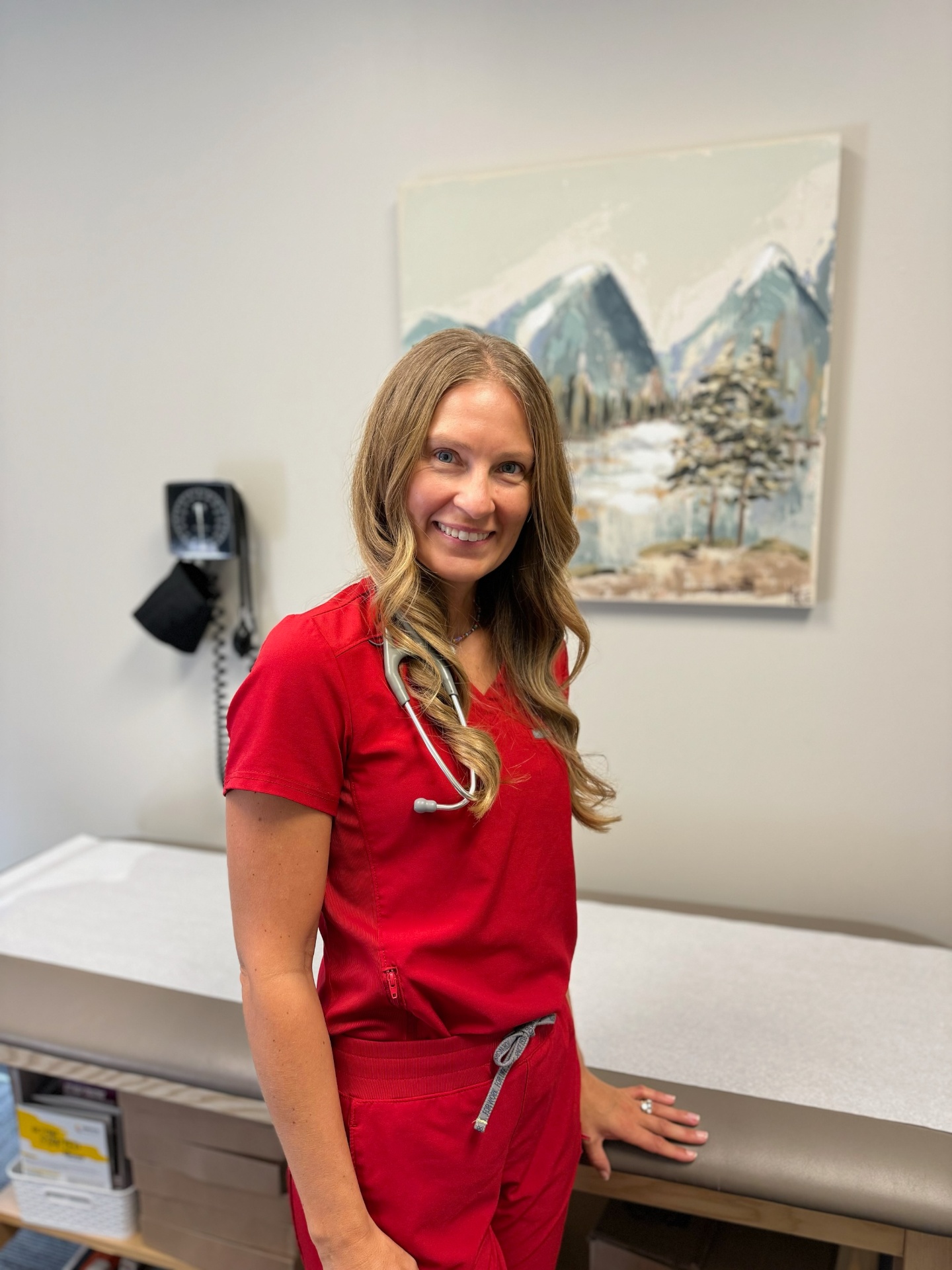
Meet Your Allergy and Asthma Specialist
Lindsey Forstie, FNP
“When it comes to allergy treatment, it is important to find a place that will take your symptoms seriously and work with you to identify your triggers.”
“This is a very personalized treatment, so you have to trust that your symptoms are being heard.”
Related Services
Allergy Drops
Start at-home immunotherapy based on your test results — no weekly office visits.
Learn MoreStop Guessing. Start Healing.
Serving patients in Phoenix, Scottsdale, Tucson, Flagstaff, Prescott, Anthem, Carefree, and all of Arizona. Book your appointment and get answers today.