
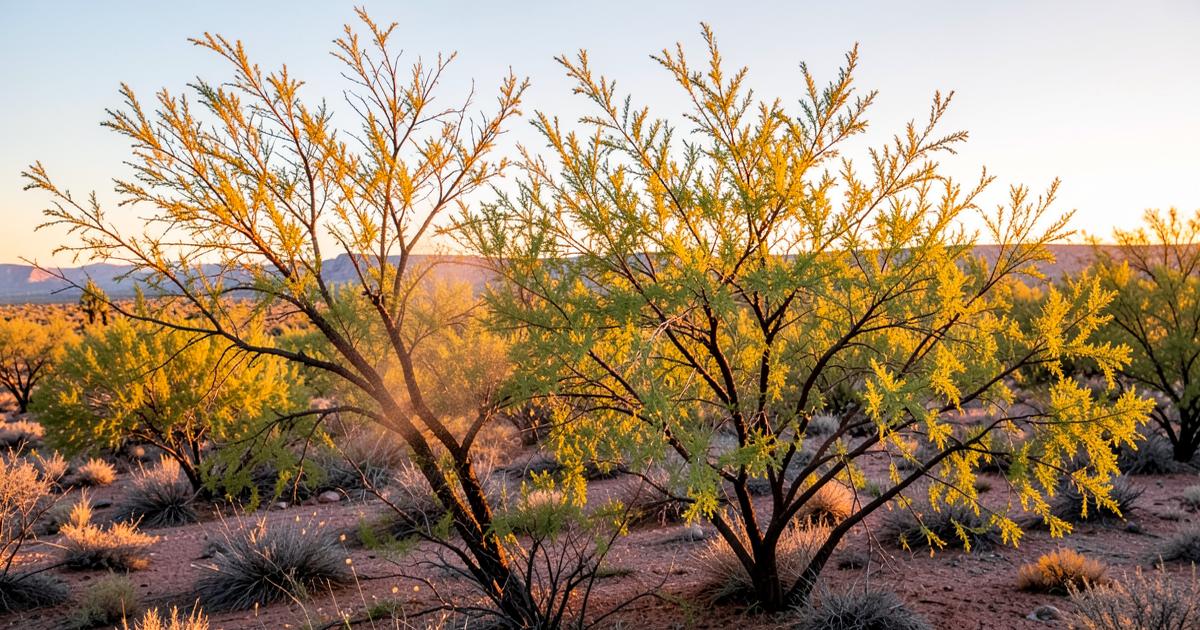
For many people living in Arizona, allergy season never truly ends. However, spring, especially February through April is often considered the worst time of year for allergies in Arizona due to high pollen levels from trees, grasses, and desert plants. That said, the “worst” month can vary depending on the type of allergy a person has and where they live within the state.
Arizona’s desert climate creates a unique allergy environment. Instead of having one short seasonal allergy period, residents often deal with overlapping pollen seasons, dust exposure, mold after monsoons, and year-round environmental triggers.
Understanding when allergies tend to peak and why can help people better manage symptoms and reduce exposure during high-trigger periods. Let’s look at worst month for allergies in Arizona.
Why Allergies Are So Common in Arizona
People are often surprised to learn that desert climates can trigger significant allergy problems. Many assume dry environments should reduce allergens because there is less greenery than in heavily forested or humid regions.
In reality, Arizona presents several unique environmental conditions that can make allergies worse.
Arizona’s Climate Creates Long Allergy Seasons
Unlike colder parts of the country where freezing temperatures temporarily stop pollination, Arizona’s mild winters allow many plants to begin releasing pollen much earlier in the year.
Some plants may pollinate:
-
In late winter
-
Multiple times per year
-
For extended periods due to warm temperatures
As a result, allergy seasons often overlap rather than ending cleanly.
Wind and Dust Spread Allergens Easily
Arizona’s dry climate and windy conditions allow pollen, dust, and mold spores to travel long distances through the air.
Strong winds can:
-
Carry allergens across neighborhoods and cities
-
Stir up dust particles
-
Increase exposure even indoors
-
Trigger respiratory irritation
This is one reason many people notice sudden allergy flare-ups on windy days.
Desert Landscaping Can Increase Pollen Exposure
Urban landscaping also contributes to allergy problems in Arizona. Many commonly planted trees and grasses produce large amounts of pollen.
**Common landscaping allergens **include:
-
Olive trees
-
Ash trees
-
Palo verde trees
-
Bermuda grass
-
Mesquite trees
Because these plants are widespread in residential and commercial areas, exposure can become difficult to avoid.
What Causes Seasonal Allergies?
Seasonal allergies occur when the immune system mistakenly identifies harmless airborne particles as threats.
When allergens are inhaled, the immune system releases inflammatory chemicals such as histamine. This response causes the familiar symptoms associated with allergies.
Common Allergy Symptoms
Seasonal allergies may cause:
-
Sneezing
-
Runny nose
-
Nasal congestion
-
Itchy eyes
-
Watery eyes
-
Coughing
-
Postnasal drip
-
Sinus pressure
-
Fatigue
-
Brain fog
In some people, allergies can also worsen asthma symptoms and increase breathing difficulties.
So, What Is the Worst Month for Allergies in Arizona?
For most Arizona residents with seasonal allergies, March is commonly considered the worst month for allergies.
This is because several factors combine during early spring:
-
Tree pollen peaks
-
Desert winds increase
-
Temperatures warm rapidly
-
Multiple plants begin pollinating simultaneously
Pollen counts can become extremely high during this period, especially in Phoenix and surrounding desert communities.
However, there is no single “worst” month for everyone. Different allergens peak during different seasons, meaning symptoms vary depending on individual sensitivities.
Arizona Allergy Seasons Explained
Arizona allergy seasons can be divided into several overlapping periods throughout the year.
- January Through March: Tree Pollen Season
Tree pollen season** often begins surprisingly early in Arizona. **In many parts of the country, trees do not begin pollinating until spring. In Arizona, warmer winter temperatures can trigger pollination as early as January.
Common Arizona Trees That Trigger Allergies
Some of the most common tree allergens include:
-
Ash
-
Olive
-
Mulberry
-
Palo verde
-
Mesquite
-
Cypress
These trees release large amounts of lightweight pollen that can remain airborne for extended periods.
Why Tree Pollen Is Such a Problem
Tree pollen particles are extremely small and easily inhaled. Because Arizona frequently experiences:
-
Dry conditions
-
Windy afternoons
-
Low humidity
Pollen spreads efficiently** through the air and often travels far beyond the immediate source. **This is why people may experience symptoms even if they do not have allergy-producing trees directly on their property.
Symptoms During Spring Tree Pollen Season
Tree pollen allergies often cause:
-
Severe sneezing
-
Nasal congestion
-
Sinus headaches
-
Eye irritation
-
Fatigue
-
Coughing
People with asthma may also notice worsening wheezing or shortness of breath during peak pollen days.
- April Through June: Grass Allergy Season
As spring progresses into early summer, grass pollen becomes a major trigger. Grass allergies are extremely common and can cause prolonged symptoms in Arizona.
Common Grass Allergens
The most common grass allergens include:
-
Bermuda grass
-
Ryegrass
-
Johnson grass
Grass pollen is highly allergenic and easily carried by wind.
Why Grass Allergies Feel So Intense
Grass pollen exposure tends to increase during:
-
Lawn maintenance
-
Outdoor recreation
-
Windy weather
-
Dry conditions
Because grass pollen particles are lightweight, they can remain suspended in the air for long periods.
People who spend time outdoors often notice worsening symptoms during this time of year.
Common Symptoms of Grass Allergies
Grass allergies may cause:
-
Persistent congestion
-
Itchy throat
-
Eye watering
-
Sneezing fits
-
Coughing
-
Wheezing
Many people report difficulty spending extended time outdoors during peak grass pollen season.
- July Through September: Monsoon Season and Mold Allergies
Many Arizona residents expect relief during monsoon season, but summer storms can actually create new allergy problems.
Although rainfall may temporarily reduce airborne pollen, increased moisture encourages:
-
Mold growth
-
Weed growth
-
Higher fungal spore levels
At the same time, dust storms can worsen respiratory irritation.
How Monsoon Season Affects Allergies
Arizona monsoon season changes the environment dramatically.
Rainfall creates temporary humidity increases that allow mold and fungi to thrive in:
-
Soil
-
Air conditioning systems
-
Bathrooms
-
Damp building materials
This increase in mold spores can trigger allergy symptoms even in people who primarily struggle during spring.
Dust Storms and Respiratory Irritation
Dust storms are another major issue during Arizona summers.
Dust storms can:
-
Carry pollen and mold spores
-
Irritate the nose and lungs
-
Trigger asthma attacks
-
Increase eye irritation
Even people without diagnosed allergies may notice respiratory discomfort during heavy dust conditions.
Common Monsoon-Related Symptoms
Symptoms during monsoon season may include:
-
Congestion
-
Coughing
-
Wheezing
-
Sinus pressure
-
Eye irritation
-
Asthma flare-ups
People with mold sensitivities often experience worsening symptoms during this period.
- September Through November: Fall Weed Allergies
Fall allergy season in Arizona is often linked to weeds.
Unlike colder climates where frost quickly reduces pollen levels, Arizona’s warm fall weather allows weeds to continue pollinating well into autumn.
Common Fall Allergy Triggers
Major weed allergens include:
-
Ragweed
-
Sagebrush
-
Pigweed
-
Russian thistle
These plants produce highly allergenic pollen that spreads easily through the dry desert air.
Why Fall Allergies Are Often Overlooked
Many people assume allergies should improve once summer ends.
However, Arizona’s climate allows pollen production to continue later into the year than expected. As a result, people may continue experiencing:
-
Postnasal drip
-
Sneezing
-
Congestion
-
Chronic coughing
Some individuals even mistake fall allergies for seasonal colds.
- December: Winter Allergies in Arizona
Although outdoor pollen levels may decline during winter, indoor allergens often become more important.
People spend more time indoors during cooler weather, increasing exposure to:
-
Dust mites
-
Pet dander
-
Indoor mold
Arizona’s dry winter air can also irritate the nasal passages and mimic allergy symptoms.
Why Allergies Are Often Worse in Phoenix
Phoenix and surrounding desert communities are known for challenging allergy conditions.
Several environmental factors contribute to this.
- Urban Landscaping
Cities throughout Arizona use large amounts of decorative vegetation, including highly allergenic trees and grasses.
This creates concentrated pollen exposure in residential neighborhoods.
- Air Pollution
Air pollution may worsen respiratory symptoms by irritating already inflamed airways.
Pollution combined with pollen exposure can intensify:
-
Congestion
-
Coughing
-
Asthma symptoms
-
Heat and Dryness
Hot, dry air can irritate the nose and throat, making allergy symptoms feel more severe.
Even when pollen levels are moderate, dry conditions may worsen inflammation.
Can Allergies Cause Fatigue and Brain Fog?
Yes. Allergies affect more than just the sinuses.
Many people experience:
-
Daytime fatigue
-
Poor concentration
-
Brain fog
-
Sleep disruption
-
Headaches
Congestion and inflammation can interfere with sleep quality, while the immune response itself may contribute to exhaustion. This is one reason allergy sufferers often report feeling drained during peak allergy months.
Why Windy Days Make Arizona Allergies Worse
Wind is one of the biggest contributors to Arizona allergy flare-ups.
Strong winds:
-
Spread pollen over long distances
-
Carry dust and mold spores
-
Increase airborne irritants
-
Trigger respiratory inflammation
People often notice symptoms worsening dramatically after windy weather or dust storms.
How Allergy Symptoms Affect Asthma
Allergies and asthma are closely connected.
For many people, allergens trigger airway inflammation that worsens:
-
Wheezing
-
Chest tightness
-
Shortness of breath
-
Chronic coughing
Common asthma-triggering allergens in Arizona include:
-
Tree pollen
-
Grass pollen
-
Mold
-
Dust
Asthma symptoms may become especially severe during spring and monsoon seasons.
How to Reduce Allergy Symptoms During Peak Arizona Allergy Months
Avoiding allergens entirely is difficult, but reducing exposure may help minimize symptoms. The table below outlines several practical strategies that may help reduce contact with common Arizona allergens.
When to Consider Allergy Testing
Persistent or recurring symptoms may indicate sensitivity to specific Arizona allergens. Allergy testing** can help identify the substances that may be contributing to congestion, sneezing, asthma flare-ups, skin irritation, or other allergy-related symptoms.**
Understanding which allergens are responsible for symptoms may help support more targeted, long-term allergy management strategies.
Conclusion
**For many residents, March is often the worst month for allergies in Arizona because spring tree pollen peaks during this time. **However, Arizona’s desert climate creates nearly year-round allergy exposure, with different allergens becoming active throughout the seasons.
From spring tree pollen and summer monsoon mold to fall weeds and winter indoor allergens, allergy triggers in Arizona constantly shift throughout the year. Wind, dust, dry air, and urban landscaping can further intensify symptoms and make allergy seasons feel longer and more severe.
Recognizing these seasonal patterns can help people better understand their symptoms, reduce exposure during peak periods, and take proactive steps to manage allergies more effectively year-round.