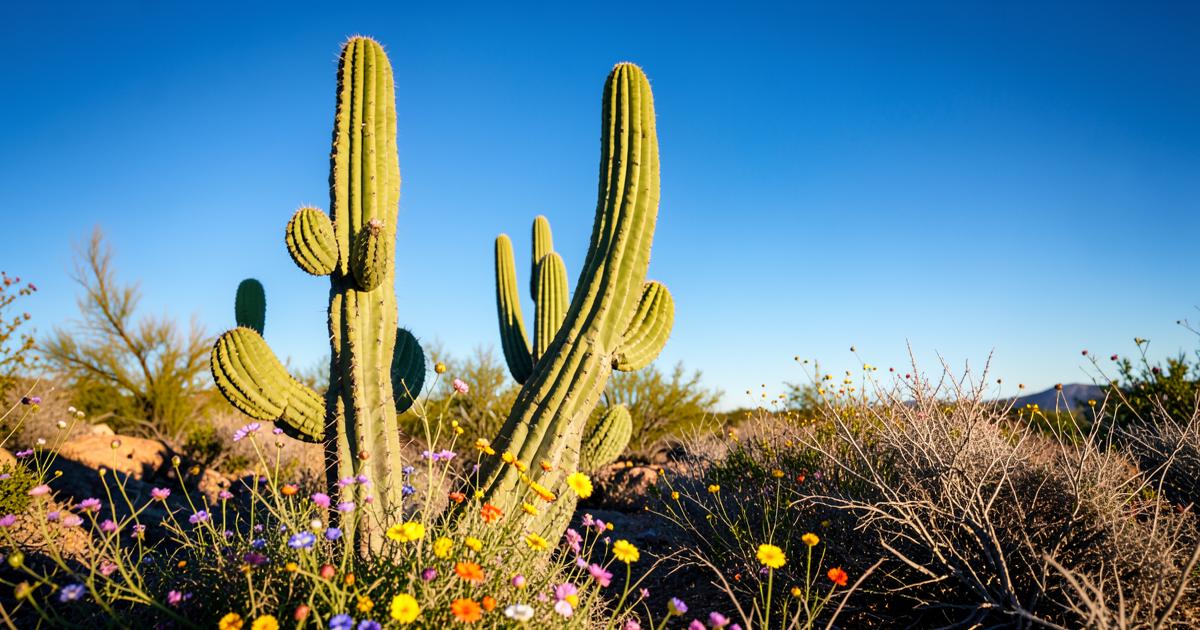
Arizona’s allergy season does not follow the spring calendar found in other states. The dry air and desert soil create a year-round cycle of pollen, dust, and mold.
You wake up with a clear runny nose and itchy eyes for weeks. You never develop a fever, yet you feel drained and foggy by midday.
Many people assume they have a stubborn cold or simply poor sinuses. The answer is allergy testing to identify the exact trigger so you stop guessing and start treating the real cause. So let’s look at what you should now allergy season in Arizona.
What Grows Here and What It Does to You
Arizona plants release pollen on different schedules than the rest of the country. The dry climate also allows dust and mold to act like allergens.
- Mountain Cedar and Ash Trees (Winter Problems)
Mountain cedar starts releasing pollen as early as January. Ash trees follow in February with their own heavy bloom.
The pollen from these trees is fine and lightweight. Wind carries it for miles, which means you cannot escape it by moving to another part of the city.
- Bermuda Grass and Orchard Grass (Spring and Summer Trouble)
Bermuda grass grows widely in Arizona yards and parks. Orchard grass is common along roadsides and in open fields.
These grasses release pollen from March through August. The grains are small enough to enter your nose and lungs directly.
- Ragweed and Careless Weed (Fall Issues)
Ragweed is the main fall allergen in Arizona. Careless weed, also known as Russian thistle, releases pollen after summer rains.
Ragweed pollen travels hundreds of miles on dry wind. Careless weed breaks off at the root and tumbles, which spreads its pollen with every gust.
- Desert Dust and Mold from Monsoon Rains
The dry Arizona soil creates fine dust that floats in the air year round. Monsoon rains then wet the ground, which allows mold spores to grow on dead plant material.
Dust particles irritate the nose and throat on windy days. Mold releases spores that trigger the same itchy, sneezy response as plant pollen.
What to Expect in the Allergy Season
The calendar does not tell the full story in Arizona. What you should expect is a cycle of false relief followed by sudden intense waves that arrive with weather changes.
- Winter Allergies
Do not expect a break after the holidays. The worst congestion of the year often hits in January when mountain cedar releases smoke-like clouds of pollen.
You can expect these symptoms to start before sunrise. The air turns over in the morning and drops the pollen down to ground level where you breathe.
- Spring Pollen
Expect the wind to become your enemy from March through May. Dry gusts pick up Bermuda and orchard grass pollen from empty lots and throw it directly at your face.
You should also expect a pattern of good days and bad days. A calm morning might feel fine, but a single afternoon windstorm can ruin the next 48 hours for you.
- Summer Dust
Expect the air to feel thick and heavy before a summer storm. That pressure change traps dust and dry soil particles close to the ground where you walk and breathe.
After the rain arrives, expect a second wave of trouble. The moisture awakens mold spores on dead plant material, which then release their own allergen load for two full weeks.
- Fall Ragweed
Expect ragweed to outlast every other plant on this list . A single ragweed plant can release one billion pollen grains, and Arizona rarely gets a freeze to kill it off.
You can expect symptoms to shift from sneezing to severe sinus pressure by October. The pollen load builds in your cavities over time without a killing frost to clear the air.
Signs You Might Have an Allergy Not a Cold
Many people mistake allergies for a recurring cold. The two conditions share symptoms, but a few key differences give the real answer.
- Itchy Eyes and Roof of Your Mouth
A cold rarely makes your eyes itch. Allergy sufferers often rub their eyes and scratch the roof of their mouth with their tongue.
The itch comes from histamine release in soft tissues. You will not get that sensation from a virus.
- Sneezing in Bursts of Three or More
A cold causes scattered sneezes throughout the day. An allergy trigger produces rapid-fire sneezes, often three to ten in a row.
You step outside on a windy day. Within seconds, you sneeze repeatedly without stopping.
- Clear Runny Nose That Lasts Weeks
Cold mucus turns thick and yellow or green after a few days. Allergy mucus stays clear and thin like water for weeks on end.
You blow your nose constantly but get no relief. The flow does not slow down until you leave the trigger area.
- No Fever Ever
A cold or flu raises your body temperature. An allergy never causes a fever , no matter how bad the symptoms get.
You can feel terrible with a runny nose and fatigue. But your thermometer will always show a normal reading.
- Symptoms Get Worse Outside or After a Windy Day
Colds progress steadily regardless of your location. Allergy symptoms spike the moment you walk outdoors or when wind picks up.
You feel fine inside your house. Then you step into the yard and the sneezing starts immediately.
How to Get Through the Season Without Hiding Inside
You can stay active during allergy season without suffering all day. A few simple changes to your routine make a large difference.
- Shower and Change Clothes When You Come Home
Pollen sticks to your hair, skin, and clothing throughout the day. A quick rinse at the door removes the allergens before they spread to your furniture.
Leave your outdoor shoes by the entrance. Put on a clean set of indoor clothes right after you wash.
- Keep Windows Closed in Your Car and House
Open windows invite pollen directly into your breathing space. Your car’s air conditioning on recirculate mode keeps outside air out.
Run the AC or a fan instead of opening a window for fresh air. The filtered air will not carry the same load of pollen.
- Run an Air Purifier in Your Bedroom at Night
You spend eight hours in your bedroom while you sleep. A HEPA air purifier pulls pollen and dust from that room continuously.
Place the unit near your bed but not directly against a wall. Change the filter according to the manufacturer schedule.
- Wear a Mask When You Garden or Sweep
Yard work stirs up settled pollen and dust from the ground. A simple N95 mask blocks most particles from entering your nose and mouth.
Put the mask on before you open the garden shed. Keep it on until you come back inside and wash your hands.
- Check the Daily Pollen Count Before Going Out
Local news stations and weather apps report daily pollen levels for Arizona. The count tells you which plants are high and what time of day is worst.
Plan outdoor activities for early morning or after a rain shower. Avoid midday hours when wind and heat lift the most pollen.
When You Should See a Doctor
Over the counter pills work for mild allergy symptoms. But some signs tell you it is time to stop self-treating and get professional help.
- You Have Tried Over the Counter Pills for Two Weeks with No Change
Antihistamines and nasal sprays should show some effect within 14 days. If you feel exactly the same after two weeks of daily use, the medication is not right for you.
A doctor can prescribe a different class of drug. Prescription options are often stronger or work through a different mechanism in your body.
- Your Sleep Is Bad Because You Cannot Breathe Through Your Nose
Nighttime nasal congestion fragments your sleep cycle. You wake up multiple times without realizing it and feel exhausted the next morning.
Poor sleep from allergies also affects your memory and mood. An allergist can find a solution to open your airways at night.
- You Get Three Sinus Infections a Year
Chronic allergies cause swelling in your sinus passages. That swelling traps mucus and bacteria, which leads to repeated infections.
Each infection requires antibiotics and time off daily activities. Treating the root allergy can break this cycle for good.
- You Wheeze or Feel Tight in Your Chest
Allergies can move beyond the nose and into your lungs. Wheezing or chest tightness means your lower airways are inflamed.
This symptom requires immediate medical attention. Your doctor will check for allergy induced asthma and start proper treatment.
The Simple Test That Tells You For Sure
You can guess which plant makes you sneeze. Or you can know for certain with a quick office procedure.
- A Quick Skin Prick Test at an Allergist’s Office
The test takes about fifteen minutes from start to finish. A nurse places small drops of different allergens on your forearm or back.
Then a tiny lancet pricks the skin through each drop. The pricks are shallow and feel like a light scratch, not a needle injection.
- You Know in 15 Minutes What Is Causing the Problem
Your skin reacts only to the things you are allergic to. A small raised bump with redness around it appears for each positive result.
You can test for ten to fifty different triggers in one visit. The list includes all the Arizona plants, dust, mold, and even pet dander.
- Then You Stop Guessing
Many people discover they are allergic to something they never expected . A person who blames grass pollen may find out it is actually careless weed.
The test results give your doctor a clear target. Treatment becomes precise instead of a random trial of different pills.
My Allergy Test Was Negative But I Still Have Symptoms
Allergy season in Arizona follows a predictable cycle of cedar, grass, ragweed, dust, and mold. You can get through that season by showering after coming inside, running an air purifier, and checking the daily pollen count.
A quick skin prick test at an allergist’s office tells you for sure what triggers your symptoms. Sometimes that test comes back negative even though you still sneeze and wheeze for months on end.
That negative result points to non-allergic rhinitis, a condition that mimics pollen allergies. Ask your doctor about this diagnosis so you can switch from antihistamines to saline rinses and prescription nasal sprays that actually work for you.